The Manuals We Write for People and Why It's Time to Put Them Down
I came home from girls camp recently with a lot on my mind. One of the adults I talked to at camp shared that people had told her she was not taking her faith seriously enough, and that she did not feel the spirit the way everyone else seemed to. Both of these things were being treated as problems. As things wrong with her. And I kept thinking about that on the drive home.
Then I walked in the door and found out my mom had done our laundry while I was gone.
Including the underwear.
And in that moment I had about five different thoughts in rapid succession. That was so sweet. That is kind of embarrassing. That might be crossing a line. That was actually really helpful. And here is the thing. Every single one of those thoughts was available to me. I got to choose which one I wanted to keep.
✨Listen to the full episode or read for the breakdown.
We All Have a Manual
What I have come to understand is that most of us are walking around with invisible rulebooks for the people in our lives. Manuals. Books of rules we have written, often without realizing it, for how our siblings should act, how our parents should show up, how our friends should handle things, how our kids should behave at the dinner table. We slot people into little boxes and hand them a manual they never agreed to follow.
And here is what is wild about it.
Most of the time the rules we make for other people are actually the rules we have made for ourselves.
The way we judge others is usually a reflection of how we internally view ourselves and what we think we should be doing. Which means when someone breaks our rules, we are not just frustrated with them. We are often frustrated with something much closer to home.
The Brother on His Phone
I learned about manuals from my aunt on a family trip to California a few years ago. My parents were overseas and it was me, my husband, my kids, my brothers, my aunt, and my cousin all around a table. And one of my brothers was on his phone. Constantly. And I was so annoyed.
I said something to my aunt about it and she looked at me and said, Brynne, you've made a manual for him.
I did not love hearing that. But she was right. I had a whole set of rules for what it meant to be a brother on a family trip, rules he had never agreed to and that I had never even voiced out loud. When he eventually reached out and we talked honestly, I realized I had been frustrated about expectations he did not even know existed.
We cannot read minds. And expecting people to is setting everyone up for disappointment.
"Most of the time the rules we make for other people are actually the rules we have made for ourselves."
Fear Is Usually the Real Culprit
"We cannot read minds. And expecting people to is setting everyone up for disappointment."
When I started paying attention to the moments I got most frustrated about broken rules, I noticed a pattern. A lot of the time my frustration was not really about the rule itself.
It was about what other people might think.
My boys not sitting still at dinner used to make me tense and irritated in a way that had very little to do with dinner. It had everything to do with how I thought it looked. The more I have worked on my own confidence and stopped outsourcing my worth to other people's opinions, the less the rule violations bother me. Because I have put in the work to decide what actually matters in my home, and it is the peace and joy we feel together, not how it looks from the outside.
That has been one of the most freeing shifts I have made.
Are Your Rules Actually Realistic?
The invitation I want to leave you with is to get curious about the manuals you are carrying. Pick one person in your life and ask yourself honestly what rules you have written for them. Then ask whether those rules are actually realistic for who that person is.
Not who you wish they were.
Not who Joe's dad is or how Beyonce does it.
Who that real human being in front of you actually is.
Because as much as I might want my dad to be like someone else's dad, he is my dad. He will never be anyone else. And the sooner I can love him for exactly who he is instead of who my manual says he should be, the better our relationship gets. The more I let go of the rulebook, the more room there is for actual connection.
"When we put down the manuals and stop trying to squeeze people into boxes, what is left is the opportunity to actually see them."
Love Is What's Left When the Rules Go
When we put down the manuals and stop trying to squeeze people into boxes, what is left is the opportunity to actually see them. To love them as they are. To support them in the ways they actually need rather than the ways we have decided they should need.
That is the work. And it is absolutely worth doing.
I am not saying throw out every expectation or never communicate what you need. Communication is everything. But there is a big difference between communicating a need and silently resenting someone for breaking a rule they never knew existed.
Say the thing. Let go of the rest. Lead with love.
I believe in you
💕Brynne

Thanks for Being Here
Hi, I’m Brynne. I share my journey of becoming through stories and reflection - guided by a higher power as I explore identity, faith, and everyday life, inviting you to grow alongside me.


Join the Faith in Process Community
Explore meaningful conversations on daily gratitude, spiritual questions, and topics like scripture, priesthood, temple covenants, and tithing, while connecting with others who are thoughtfully navigating faith and spiritual growth together
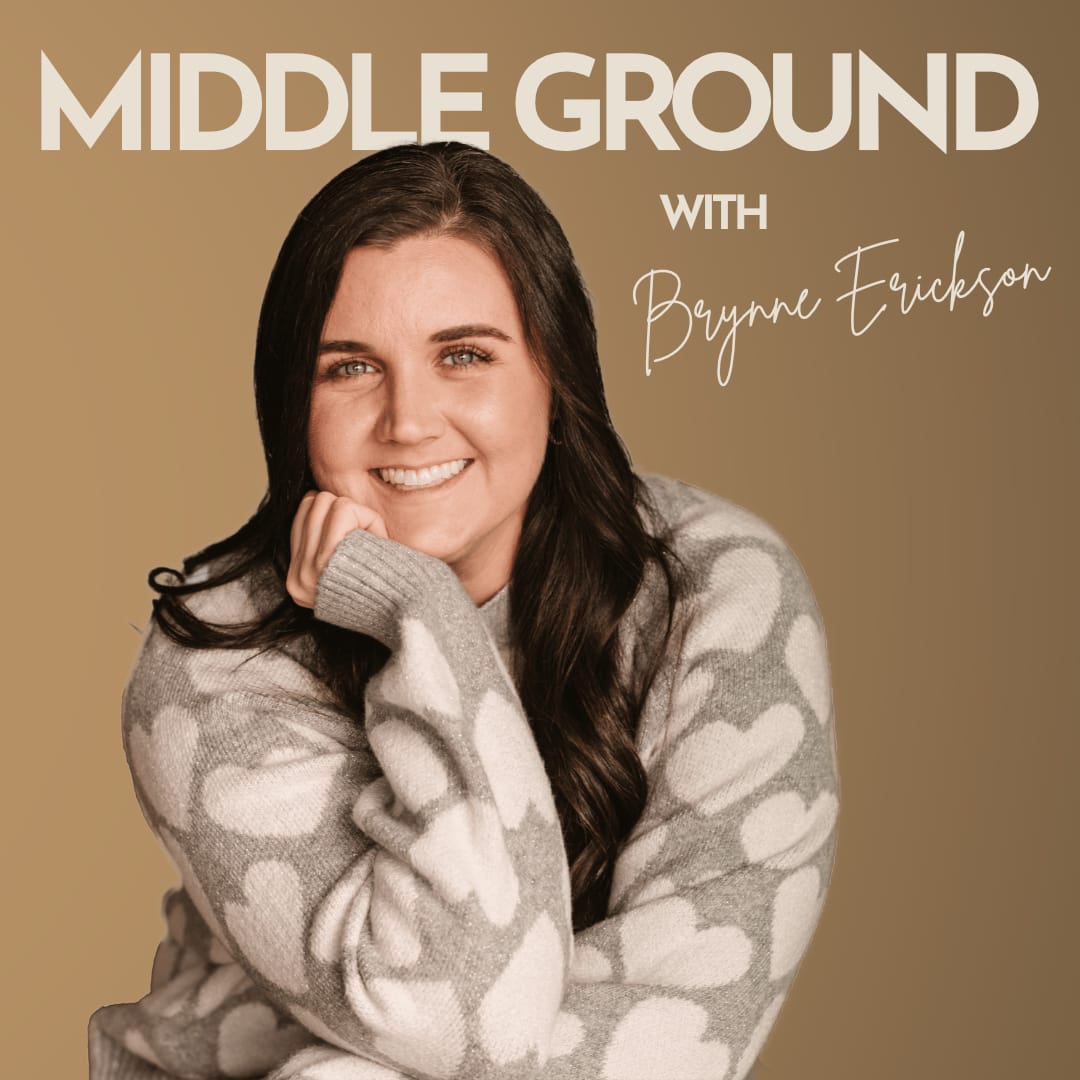
A space for thoughtful reflection on faith, spirituality, identity, and everyday life
Come as you are, leave your assumptions at the door, and join the journey toward deeper understanding and connection.
BRYNNE ERICKSON